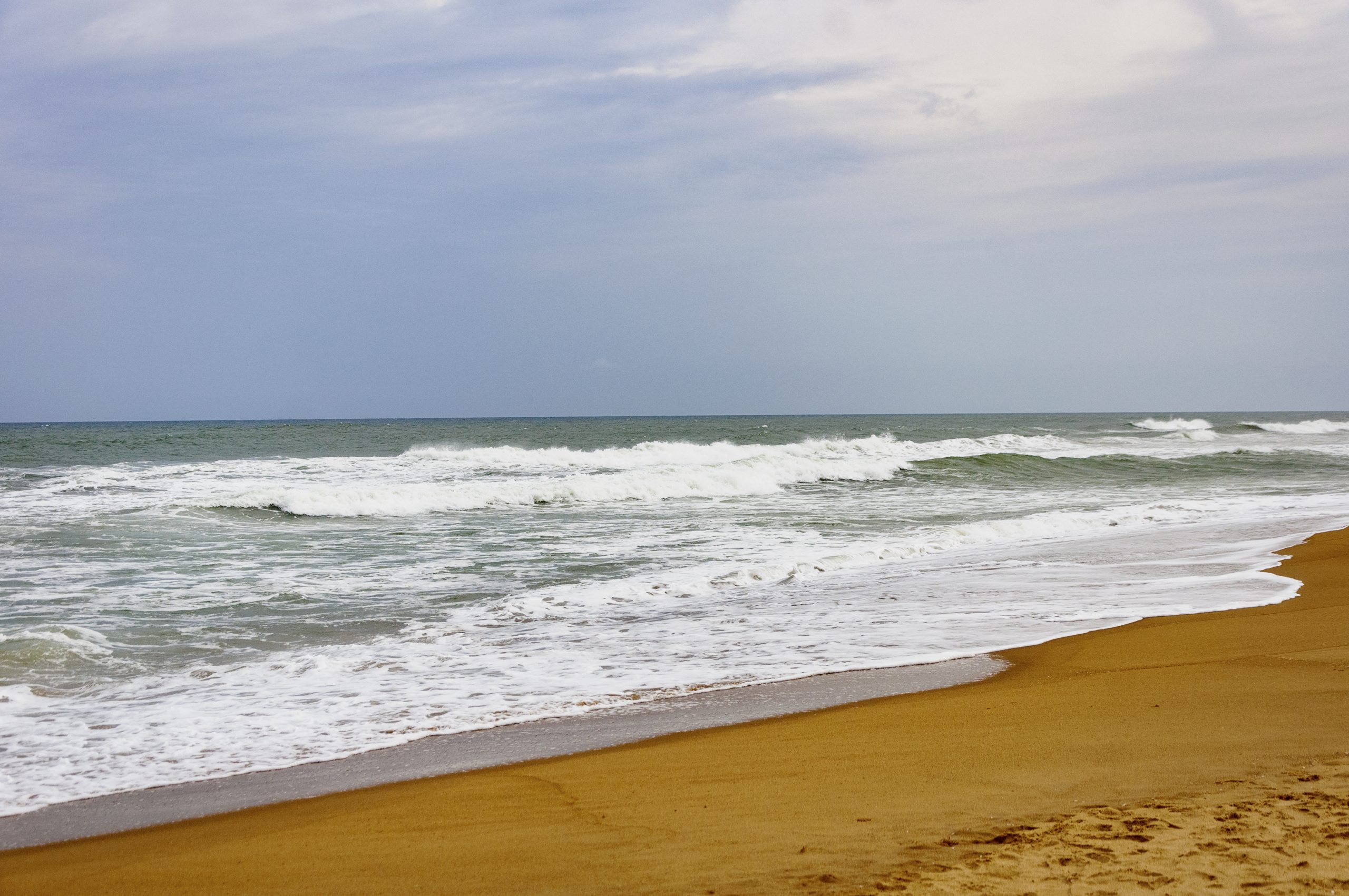
Puri is a city on the east coast of India, in Odisha. It is a holy city and also a beach city. Many people visit for religion, to see the Jagannath Temple. Others come to enjoy the beaches, nature, art, and local culture. Puri is also part of the Char Dham pilgrimage circuit (the four sacred places), especially important in Vaishnava tradition.
What to See & Do in Puri (with Details & Tips):
Here is a longer list of places to see and things to do. I have grouped them so you can choose what you like.
1. Temples & Sacred Sites
These are central to the Puri experience.
Jagannath Temple (Shree Jagannatha Temple)
- This is the most famous temple in Puri, dedicated to Lord Jagannath (a form of Vishnu).
- Important note: Non-Hindus are generally not allowed inside the inner sanctum. You can view from outside or from permitted viewing points.
- The temple complex includes striking gateways, sculptures, and sacred pillars. One notable pillar is Aruna Stambha (Sun Pillar) in front of the Singhadwara (lion gate). It is a monolithic pillar about 34 ft tall; it was brought from Konark in prehistoric times.
- Best time to visit: Early morning (to avoid crowds) or evening when rituals happen.
Gundicha Temple
- This temple becomes alive during the Rath Yatra festival. The deities of Jagannath, Balabhadra, and Subhadra are brought here for a stay of several days.
- The temple is about 3 km from the main temple along the Bada Danda (the Grand Avenue).
- For a visitor outside the festival time, it offers a calmer atmosphere and chance to see parts of temple architecture less crowded.
Other lesser-known temples
- Loknatha Temple: A Shiva temple in Puri; unique because the lingam is often “under water,” as per legend.
- Markandeshwar Temple & Tank: Just north of Jagannath Temple, on Markandeswar Road. It’s a Shiva temple and has a sacred tank where rituals and bathing happen.
- Alamchandi Temple: Near Atharanala Bridge in Puri. It is a protective shrine of Devi Alamchandi, often associated with guarding the Jagannath sanctum from the northeast corner.
Visiting smaller temples gives insight into local beliefs, architecture, and offers quieter moments.
2. Beaches & Nature
These offer rest, beauty, and a break from temple routines.
Puri Beach
- A long sandy stretch along the Bay of Bengal, great for sunrise, walking, relaxing near the sea.
- In morning or late afternoon, the light is softer and it’s less crowded.
Swargadwar Beach
- Close to the main temple. It has a sacred significance (“Gateway to Heaven”) and is often quieter.
- Evening walks here are pleasant.
Konark Sun Temple & Chandrabhaga Beach
- The Sun Temple at Konark is about 35 km from Puri. It is a UNESCO World Heritage site and is built like a massive stone chariot with wheels, horses, and intricate carvings.
- After visiting the temple, people often go to Chandrabhaga Beach, just east of Konark. It is one of India’s clean beaches and has a Blue Flag certification for its standards.
- The sunrise view from Chandrabhaga is lovely, and the coastline is calmer than Puri in some stretches.
Chilika Lake
- Asia’s largest brackish water lagoon. You can take boat rides, spot migratory birds, and see Irrawaddy dolphins in certain parts.
- Best visited in the morning when water is calm and birds are active.
3. Art, Culture & Villages
Places where local craft and tradition flourish.
Raghurajpur Artist Village
- A village of traditional painters and craftsmen. You can see Pattachitra (scroll paintings), palm-leaf etching, masks, and meet the artists.
- Good for buying authentic souvenirs and learning about the artistic process.
Local Markets & Handicrafts
- Walk the streets near Swargadwar, Chakra Tirtha, or around the Jagannath Temple. You’ll find stalls selling Pattachitra art, textiles, silver filigree, and sweets like khaja.
- Small shops in alleyways often have unique, lower-price items.
Sand Art on the Beach
- Local artists, such as Sudarshan Pattnaik, often create impressive sand sculptures using just sand and water along Puri Beach.
- Evening is a good time to see these and maybe chat with the artists.
4. Festivals & Events
If your visit coincides, festivals add magic to Puri.
Rath Yatra (Chariot Festival)
- The most famous festival. The deities are placed on decorated chariots and pulled through the city to Gundicha Temple. (Wikipedia)
- Huge crowds gather, processions go along Bada Danda, and the atmosphere is ecstatic.
- If possible, time your trip to be in Puri during Rath Yatra for a very memorable experience.
Local Temple Festivals, Rituals & Daily Pujas
- Daily rituals in Jagannath Temple (morning, midday, evening) are fascinating to observe from permitted vantage points.
- Some smaller temples hold festivals on particular days (e.g. Shiva temples on Mondays, big days like Shivaratri).
Sample Itinerary: 2–3 Days in Puri:
Here is a simple plan to help you see a lot without rushing.
| Day | Morning | Afternoon | Evening / Night |
| Day 1 | Visit Jagannath Temple, see Aruna Stambha, explore nearby small temples | Lunch, rest, walk in markets | Walk Swargadwar Beach, watch sunset, sample street food |
| Day 2 | Day trip to Konark Sun Temple + Chandrabhaga Beach | Return via Raghurajpur village (stop for art) | Evening exploring local shops, try traditional dishes |
| Day 3 | Boat ride in Chilika, birdwatching | Return, visit Gundicha Temple, soak in local culture | Final beach walk, maybe catch sand art or evening prayer rituals |
You can adjust depending how many days you have and your pace.
Practical Tips & Advice
- Best time to visit: October to February (cooler, more comfortable).
- Clothing: Dress modestly for temple visits (shoulders and knees covered).
- Shoes: You will remove shoes at many temples — wear easy-to-slip-off shoes.
- Water & food: Drink bottled or boiled water. Try local food, but avoid unhygienic street stalls for meats/fish if uncertain.
- Guide / local help: A local guide helps at Jagannath temple (for history, stories, rules).
- Crowds & timings: Go early to avoid crowds at main spots.
- Respect local customs: Silence, no photography in sanctum, no touching deities or rituals unless permitted.
- Transport: Local auto-rickshaws, cycle rickshaws, taxis or hired cars for day trips.
- Stay: Stay near the temple or beach area so many main spots are walkable.
- Safety: Be cautious during festivals—crowds can get large, move with the flow.